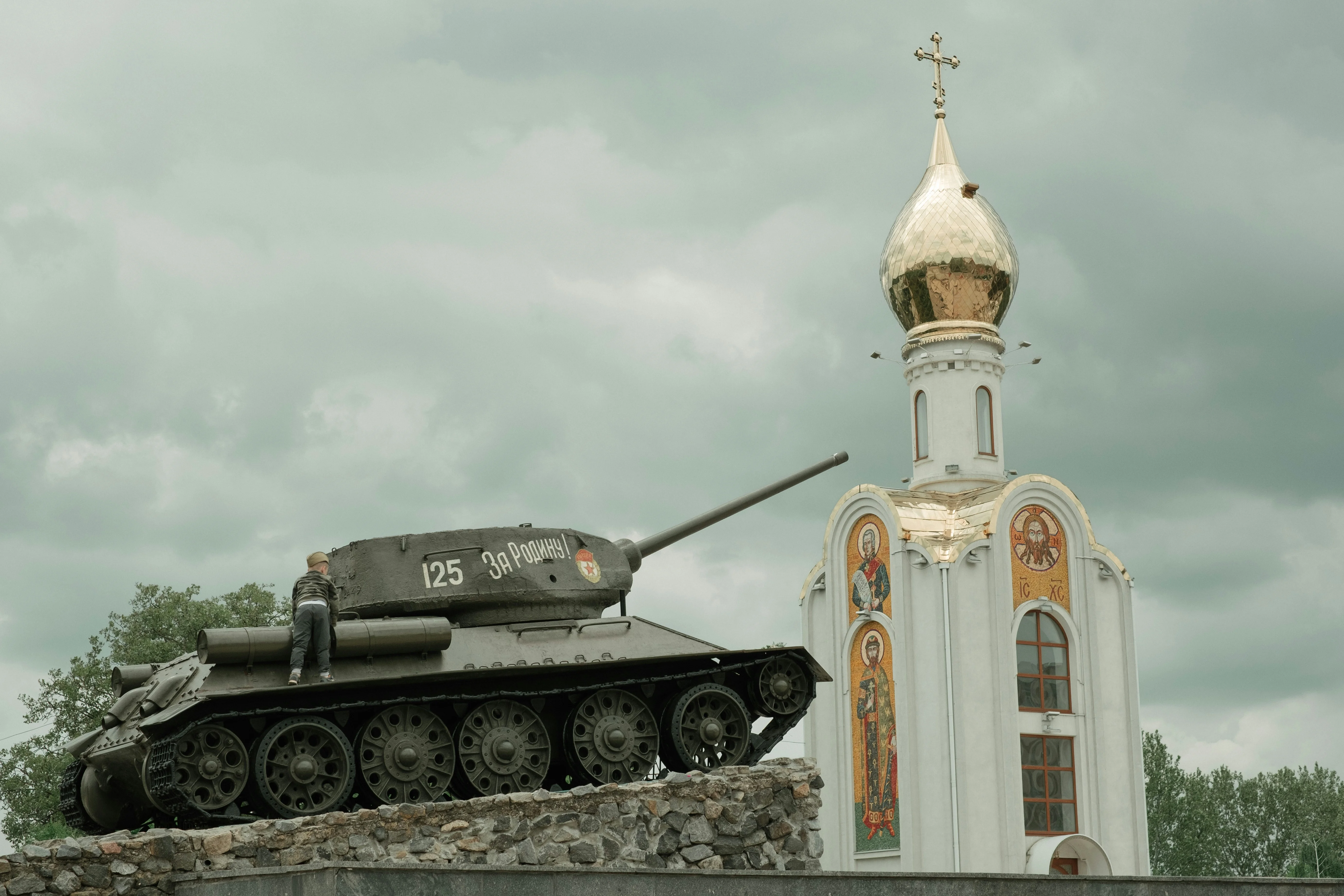
Gagauzia, Moldova: A Journey into Europe’s Quietest Autonomy
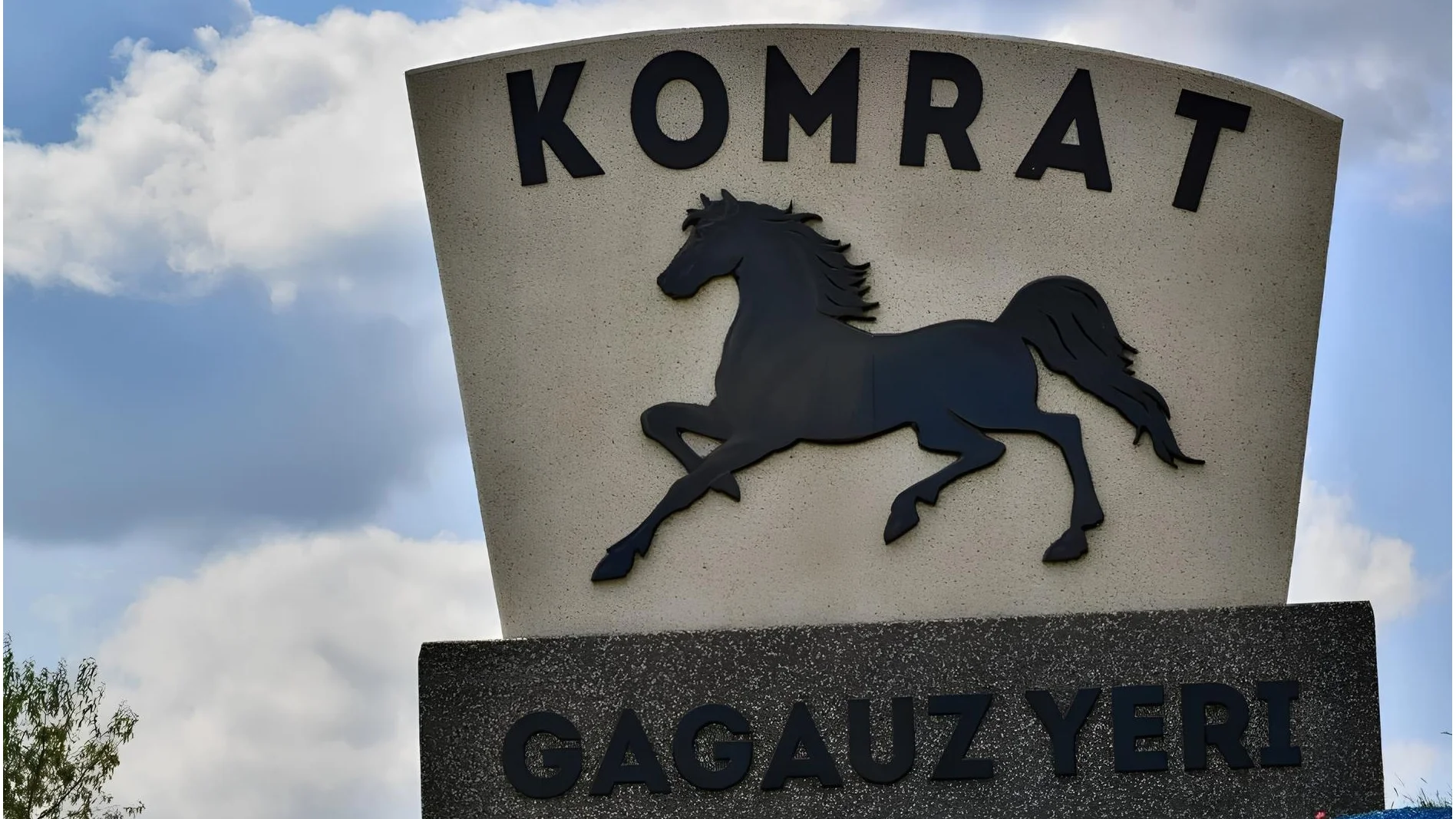
Gagauzia, Moldova: A Journey into Europe’s Quietest Autonomy
Tucked away in the rolling southern plains of Moldova lies Gagauzia, a place few travelers can locate on a map, yet one that rewards curiosity with layers of history, identity, and resilience. This autonomous region is not defined by dramatic mountains or iconic landmarks, but by something rarer in Europe today: a living, breathing cultural crossroads where language, politics, and tradition coexist in delicate balance.
To travel through Gagauzia is to step into a Europe that whispers rather than shouts - a land of vineyards and sunflower fields, Orthodox churches and Soviet-era mosaics, Turkish echoes carried through Slavic streets. It is a region shaped by migration, survival, and an enduring sense of self.
Who Are the Gagauz People?
The Gagauz are a Turkic-speaking people who practice Eastern Orthodox Christianity - a combination that already sets them apart in Europe. Their origins are debated, but most historians trace them back to Turkic tribes who migrated westward centuries ago, eventually settling in the Balkans before moving north into Bessarabia, present-day Moldova, in the eighteenth and nineteenth centuries.
Unlike many Turkic peoples, the Gagauz adopted Orthodoxy rather than Islam, a choice that deeply influenced their cultural trajectory. Today, the Gagauz language, closely related to Turkish, survives alongside Russian and Romanian, creating a linguistic mosaic that reflects centuries of shifting borders and allegiances.
Despite periods of marginalization and pressure to assimilate, the Gagauz have preserved a strong collective identity rooted in family, faith, land, and tradition.
A Brief History of Gagauzia
Gagauzia’s story cannot be told without acknowledging the empires that shaped it. The region passed through Ottoman, Russian, Romanian, and Soviet rule, each leaving its mark on administration, language, and daily life.
During the Soviet era, Gagauzia was folded into the Moldavian SSR. Russian became the dominant public language, collective farms reshaped the countryside, and local traditions were carefully managed rather than celebrated. Yet cultural memory endured quietly through food, festivals, and oral history.
As the Soviet Union collapsed in the early 1990s, fears of cultural erasure resurfaced. Moldova’s push toward Romanian language and identity sparked anxiety among minority regions, including Gagauzia. Tensions rose, but unlike other post-Soviet conflicts, Gagauzia’s struggle ended not in war, but in negotiation.
In 1994, Moldova granted Gagauzia autonomous status, formally recognizing its right to self-governance and cultural preservation. The result is the Autonomous Territorial Unit of Gagauzia, a rare example of a peaceful autonomy arrangement in Eastern Europe.
Politics and Identity: Walking a Fine Line
Today, Gagauzia occupies a complex political space. While it is internationally recognized as part of Moldova, the region maintains its own local government, governor, and assembly.
Politically and culturally, Gagauzia often looks eastward rather than westward. Russian remains the dominant language in administration and media, and public opinion tends to favor closer ties with Russia over European integration. This outlook contrasts sharply with Moldova’s increasingly pro-European direction, creating an ongoing undercurrent of tension.
Yet on the ground, life is pragmatic rather than ideological. For many residents, politics is secondary to concerns about employment, agriculture, and preserving local culture in a rapidly globalizing world. Gagauzia’s autonomy is less about separation and more about survival - ensuring that a small people are not erased by larger narratives.
Comrat: The Capital of Quiet Persistence
The heart of Gagauzia is Comrat, a modest city of wide boulevards, low-rise buildings, and unhurried rhythms. It does not overwhelm visitors with attractions, but invites them to slow down and observe.
Comrat is home to Comrat State University, a key institution for preserving Gagauz language and history. Nearby, the National Museum of Gagauzia offers insight into traditional dress, embroidery, agricultural life, and the region’s ethnographic roots.
Walk through Comrat’s streets and you’ll hear a blend of Russian, Gagauz, and Romanian. Orthodox churches anchor neighborhoods, while markets brim with local produce, homemade wine, and sun-ripened fruit. Life here is grounded, practical, and deeply local.
Food: Hearty, Honest, and Rooted in the Land
Gagauz cuisine reflects the region’s agricultural soul and its layered heritage. It is simple, hearty, and communal, built around grains, meat, dairy, and vegetables grown close to home.
Signature dishes include shorpa, a rich meat soup; kavarma, slow-cooked meat with onions and spices; and flatbreads filled with cheese or potatoes that quietly echo the region’s Turkic roots. Cornmeal, wheat, and sunflower oil feature prominently, while homemade cheeses and yogurt remain staples of everyday life.
Wine is inseparable from the table. Southern Moldova is one of the country’s most productive wine regions, and in Gagauzia, nearly every family has its own cellar. Sharing food here is an act of identity - hospitality offered without ceremony, but with quiet pride.
Culture, Traditions, and Everyday Rituals
Gagauz culture is deeply rural and seasonal, tied to planting, harvest, and religious holidays. Folk songs, traditional dances, and embroidered clothing appear during festivals and weddings, connecting younger generations to ancestral memory.
Orthodox Christianity shapes the rhythm of the year, but many pre-Christian customs linger beneath the surface - blessings of fields, symbolic breads, and communal feasts that blur the line between sacred and secular.
What stands out most is not spectacle, but continuity. Culture here is not curated for visitors; it simply persists, practiced at kitchen tables and village squares, passed down rather than performed.
Why Gagauzia Matters
Gagauzia may be small, but it offers something increasingly rare in modern travel: a chance to encounter a community still negotiating its place in history rather than packaging it for consumption. It challenges easy narratives about Europe, identity, and belonging. It reminds us that borders are fluid, cultures layered, and that quiet regions often hold the deepest stories.
For travelers drawn to places off the beaten path - where history is felt rather than displayed - Gagauzia is not a destination to tick off, but one to listen to. In the end, Gagauzia does not ask to be understood all at once. It asks only for time, curiosity, and respect - and in return, it reveals a Europe most people never see.

Suggested Adventures
Browse our related tours to find your next unforgettable journey


Related Posts
Lorem ipsum dolor sit amet, consectetur adipiscing elit.

What You Need to Know Before Traveling to Moldova