

What to Expect

Easy - Moderate

Simple

Authenticity Off the Beaten Path

4X4

No Hidden Fees
Itinerary

Day 1: Ulaanbaatar: Between Sacred Stillness and Soviet Echoes
Arriving in Ulaanbaatar, Mongolia's capital and its only true city, is akin to stepping into a realm where modernity meets mystery. Beneath the steel and concrete of post-Soviet architecture, amidst the rush of traffic and the city's vibrant energy, lie centuries of devotion and the whisper of ancient beliefs. If time allows, you may visit the magnificent Gandan Monastery, where the serene gaze of a golden Buddha offers compassionate insight. Alternatively, you can stroll across the expansive Sükhbaatar Square, where statues of warriors, poets, and revolutionaries stand watch over the city’s ever-evolving skyline.
The city is a contradiction: urban yet deeply spiritual, chaotic yet contemplative. It is a fitting starting point—one foot in the present, the other about to step into the timeless wilderness.
Travel Details: Transfer from Chinggis Khaan International Airport to your hotel ~50 km/1.50-2 hours; Overnight stay at a hotel in Ulaanbaatar (-/-/-)
Day 2: Tsagaan Suvarga: Colorful Mud Cliffs of the Gobi Desert
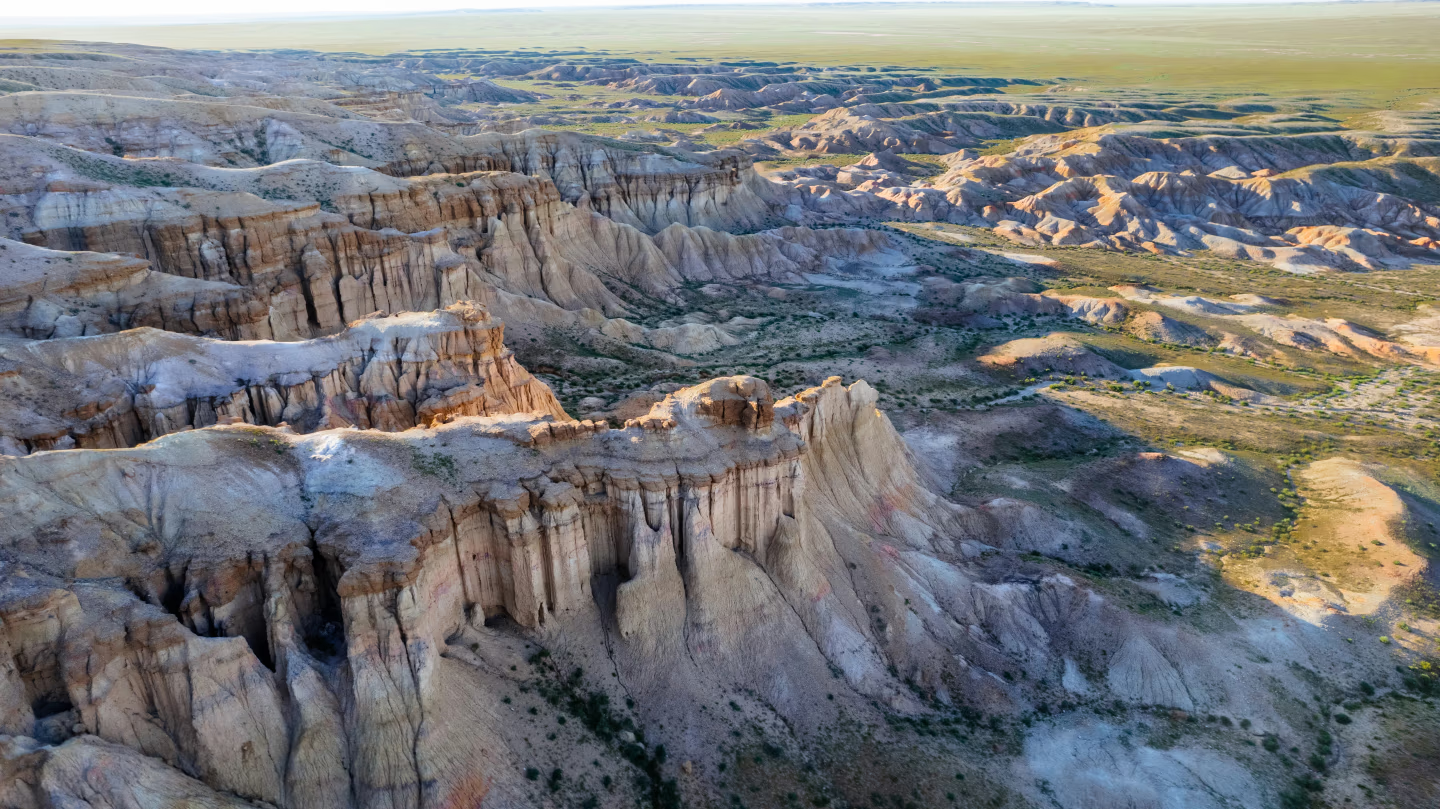
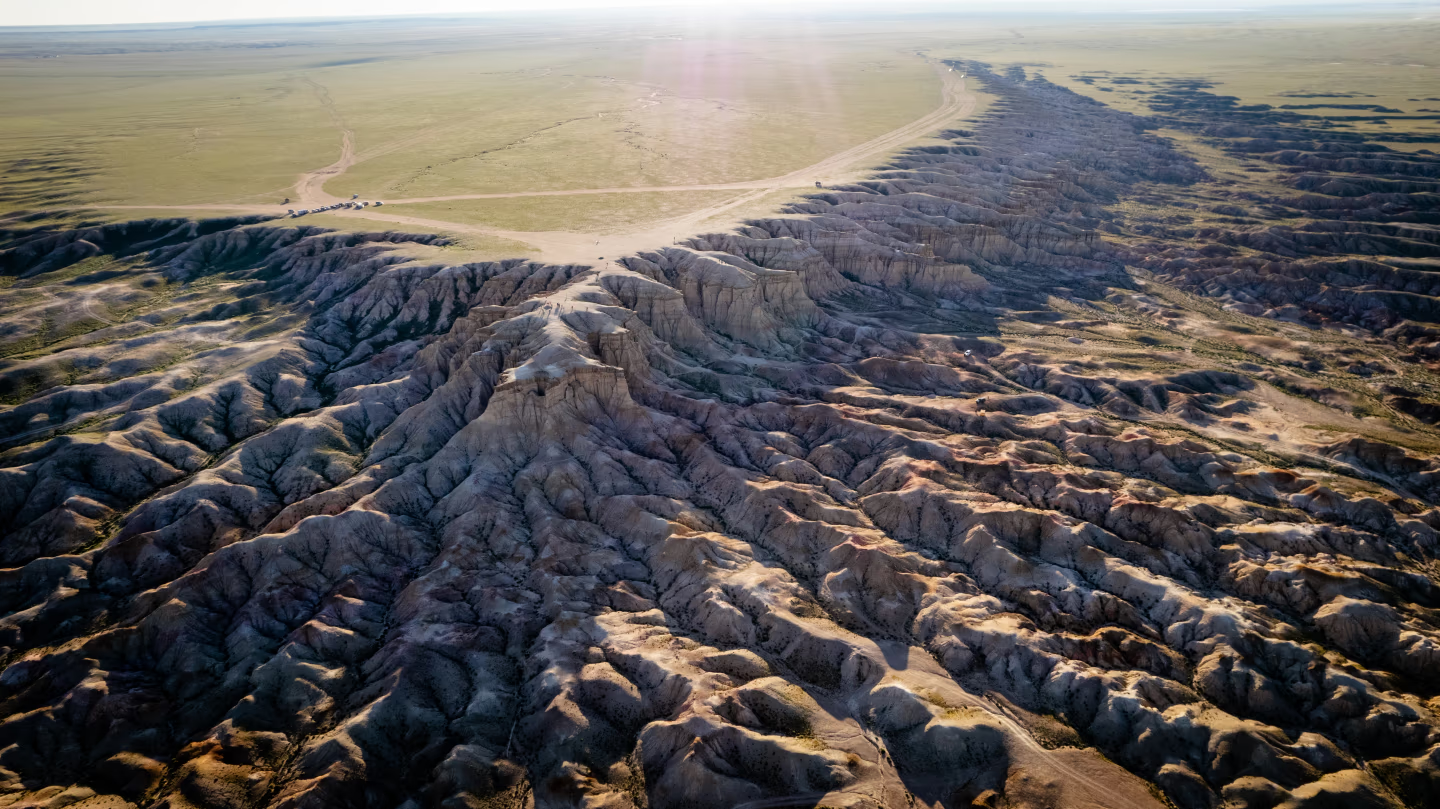
You leave Ulaanbaatar in the morning and travel south into the open landscapes of the Gobi. After a long drive across wide steppe, Tsagaan Suvarga comes into view. This natural formation of high mud cliffs, shaped by erosion over millions of years. The cliffs rise sharply from the flat land and are layered in white, red, and orange, giving the impression of painted walls standing alone in the desert.
You spend time walking along the base of the cliffs and through the natural paths formed by wind and rain. From above, the views open across the surrounding plains, revealing the vast scale of the landscape. Tsagaan Suvarga is also known for its changing colors, which shift with the position of the sun, making it one of the most photographed places in the region.
In the late afternoon, you continue to a nearby ger camp, where the day ends in quiet surroundings under the open sky.
Highlights of the Day:
- Explore the colorful mud cliffs of Tsagaan Suvarga, shaped by erosion and standing alone in the open Gobi landscape.
Travel Details: Expected travel distance ~420 km/~7-8 hours; Overnight in modern ger camp (B/L/D)
Day 3: Gobi Gurvansaikhan National Park: Walking Through Eagle Valley
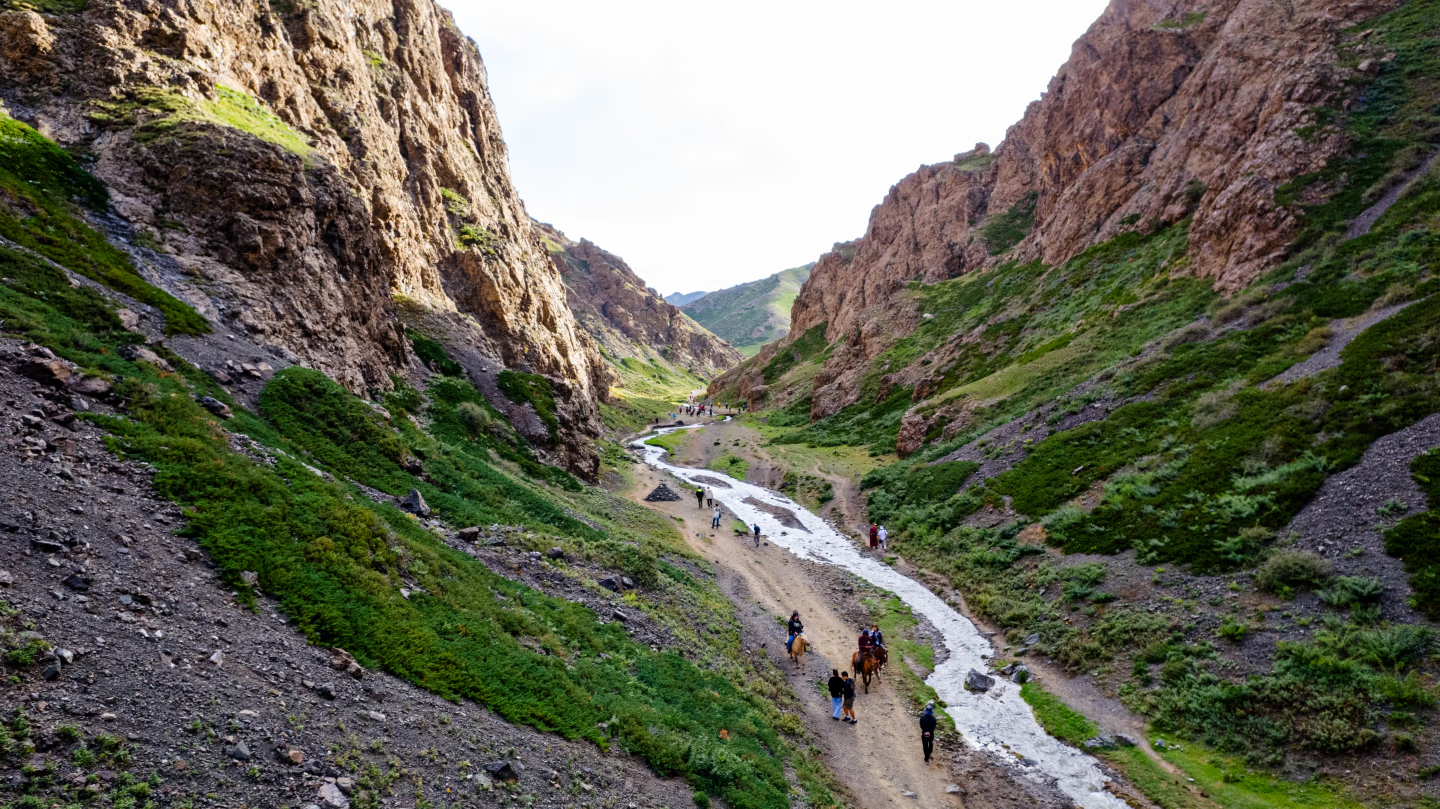
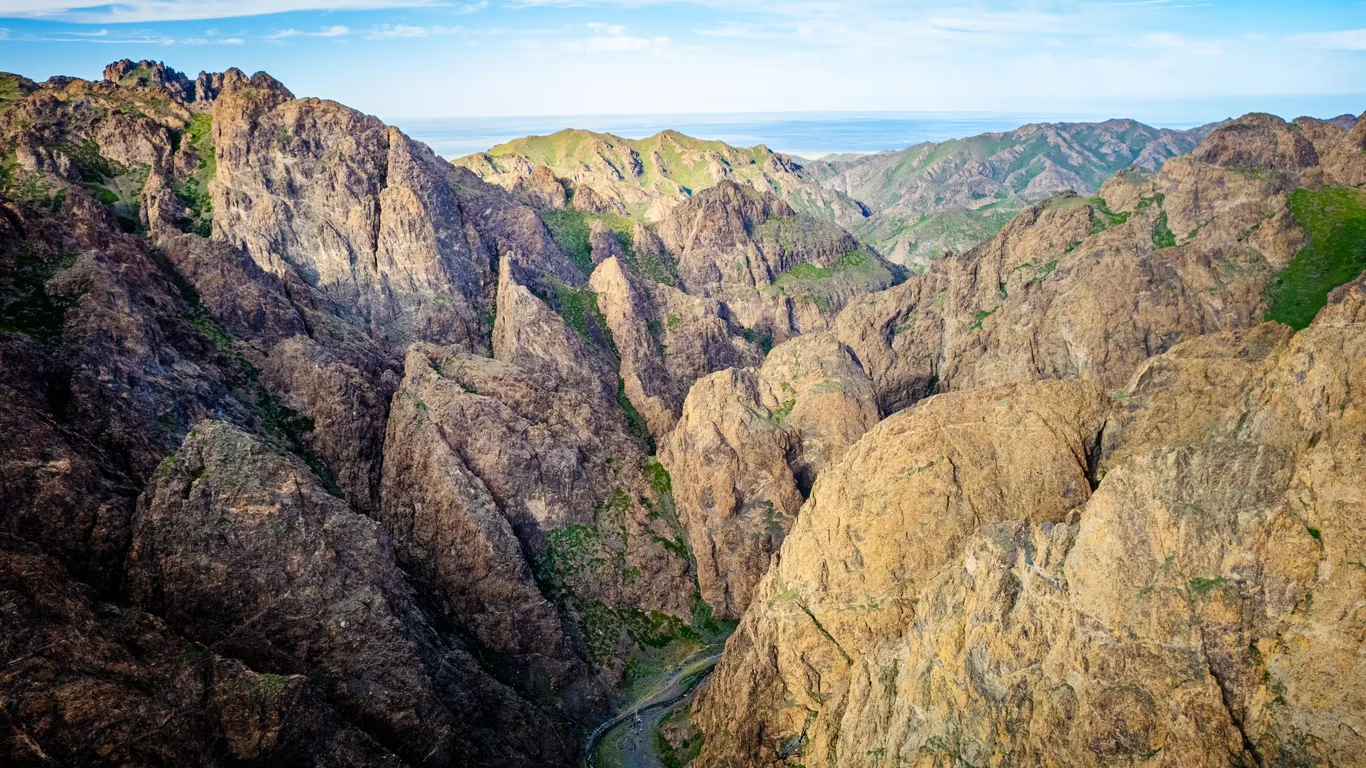
Today, you travel south into Gobi Gurvansaikhan National Park, a mountain range in southern Mongolia known for its rocky terrain and diverse wildlife. The drive leads away from the open steppe and into a more rugged landscape, where the land slowly rises and narrows into valleys. Your destination is Yoliin Am, also known as Eagle Valley, one of the park’s most distinctive natural sites.
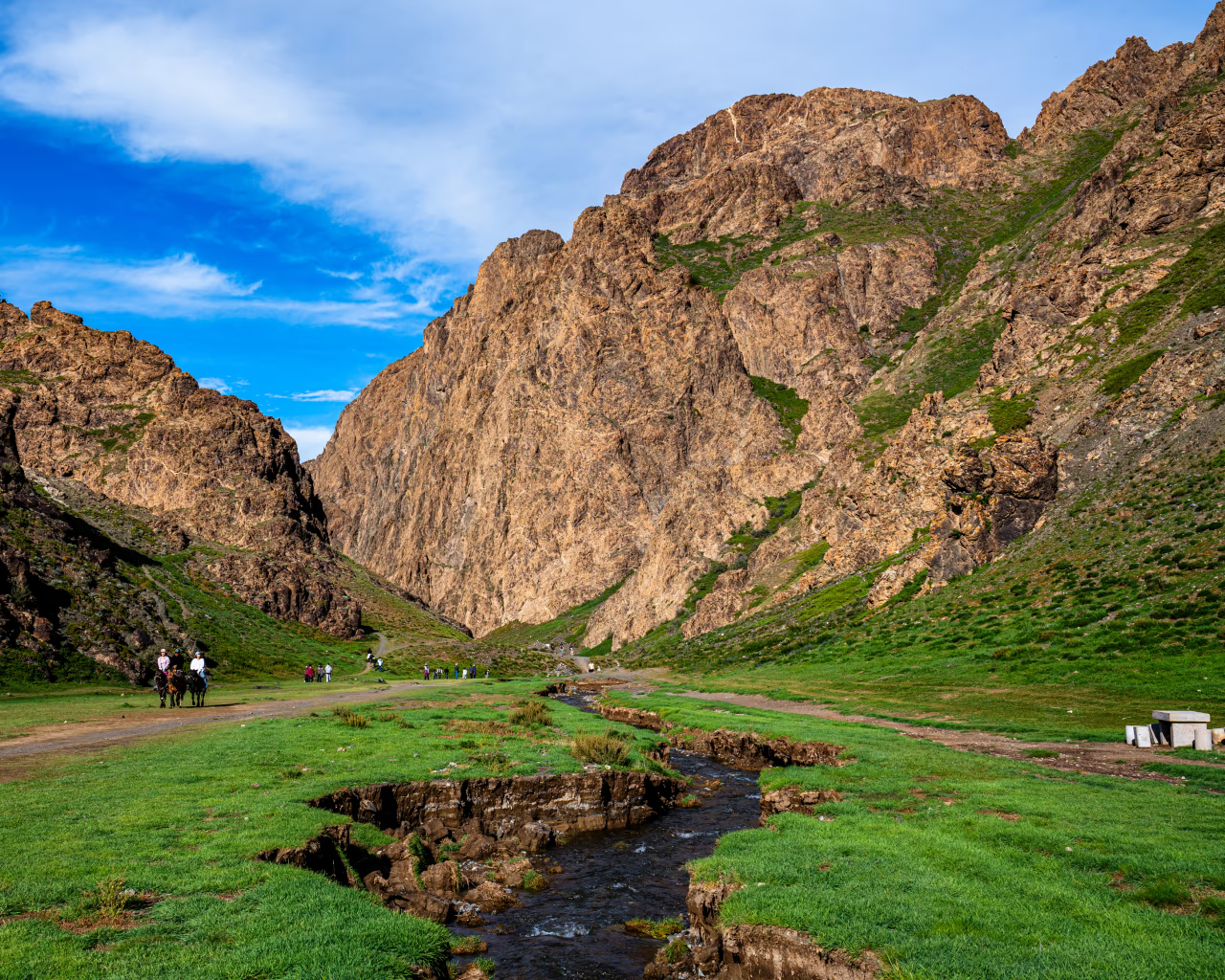
A gentle walk leads you into the valley, following a small stream between steep rock walls. As you move deeper inside, the canyon closes in and the sunlight fades. The air becomes cooler, and even in summer, ice often remains along the shaded ground. The pace is unhurried, allowing time to notice the quiet, the texture of the rock, and the contrast between shadow and open sky. Bearded vultures sometimes circle overhead, while wild sheep and ibex move along the higher slopes. The day ends at a ger camp, where the cool air and surrounding silence make a natural close to the walk
Highlights of the Day:
- Walk through Yoliin Am (Eagle Valley), a narrow mountain canyon known for its ice, shade, and diverse mountain wildlife
Travel Details: Expected travel distance ~260 km / ~5–6 hours; Walking time ~2.5–3 hours; Overnight in a modern ger camp (B / L / D)
Day 4: Khongor Sand Dunes: Singing Sand and the Gobi Desert
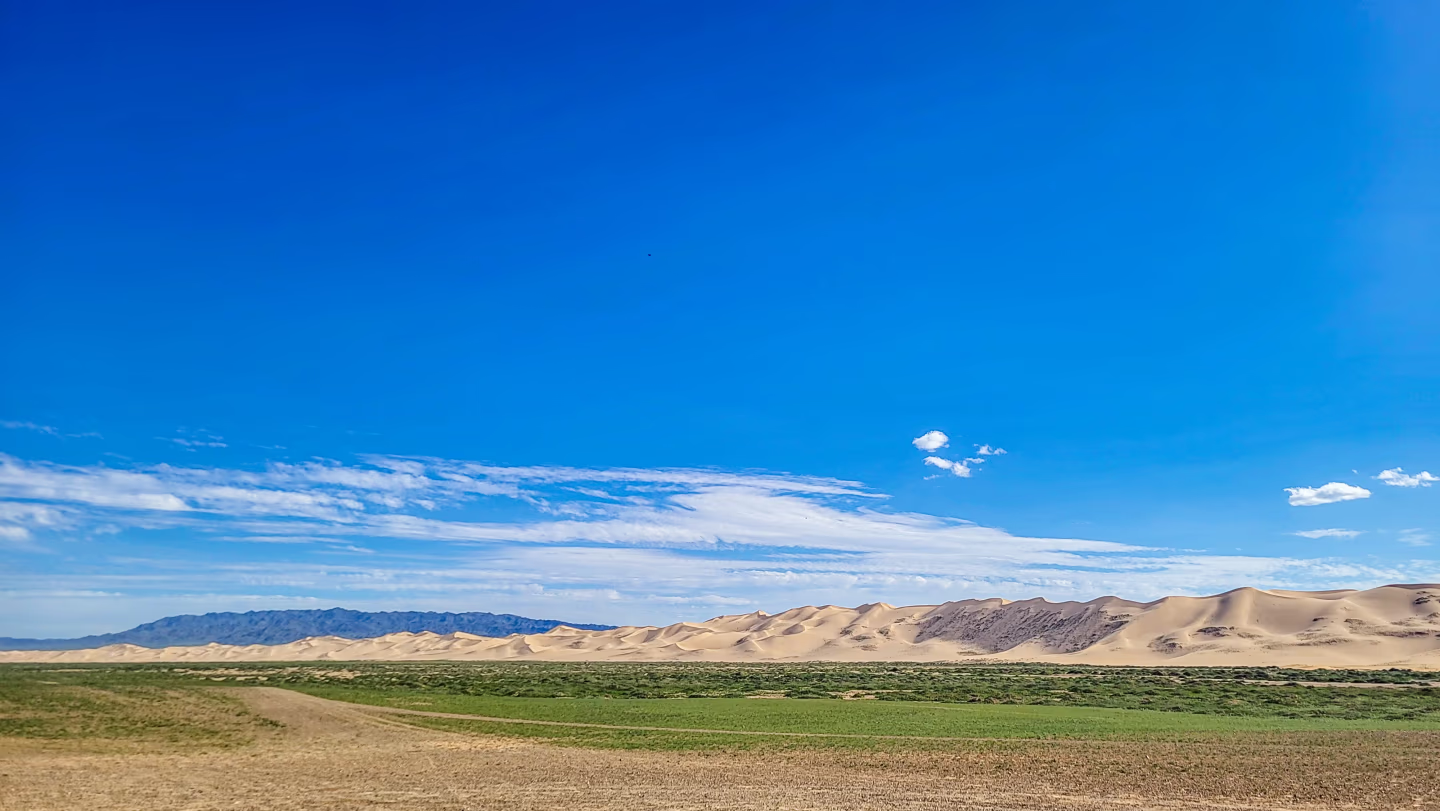
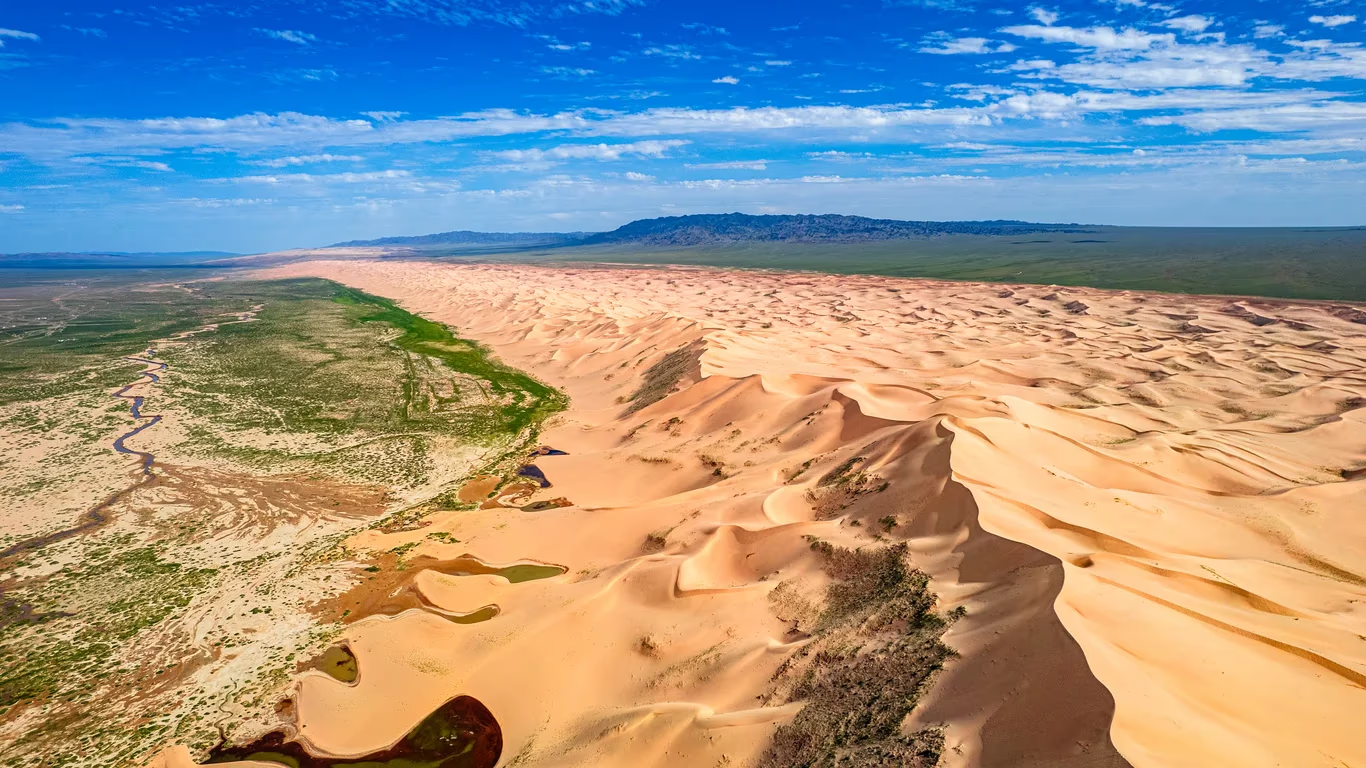
The journey continues deeper into the Gobi Desert toward the Khongor Sand Dunes, the largest and highest sand dunes in Mongolia. Stretching for many kilometers, these dunes rise sharply from the flat desert floor, creating one of the most striking landscapes in Mongolia. Near the dunes, you visit a nomadic family who live in this harsh yet open environment, offering a brief glimpse into daily life shaped by sand, wind, and distance. From here, you ride two-humped Bactrian camels across the desert toward the base of the dunes, moving at a slow and steady pace. Those who wish can climb the dunes, choosing how far to go depending on their comfort and energy. As you move higher, the sand shifts underfoot and, in dry conditions, produces a deep, low sound carried by the wind—giving rise to the local name “Singing Sand.” From the top, wide views open across the desert, where the land feels endless and still. The day ends at a ger camp, with the dunes fading into soft evening light.
Highlights of the Day:
- A camel ride across the base of the Khongor Dunes.
- Climb to the top for breathtaking panoramic views of the desert and experience the captivating phenomenon of "singing dunes" at sunset.
Travel Details: : Expected travel distance ~180 km / ~4–5 hours; Overnight in a modern ger camp (B / L / D)
Day 5: Ancient Rock Art in Khavtsgait Valley and the Bayanzag Flaming Cliffs
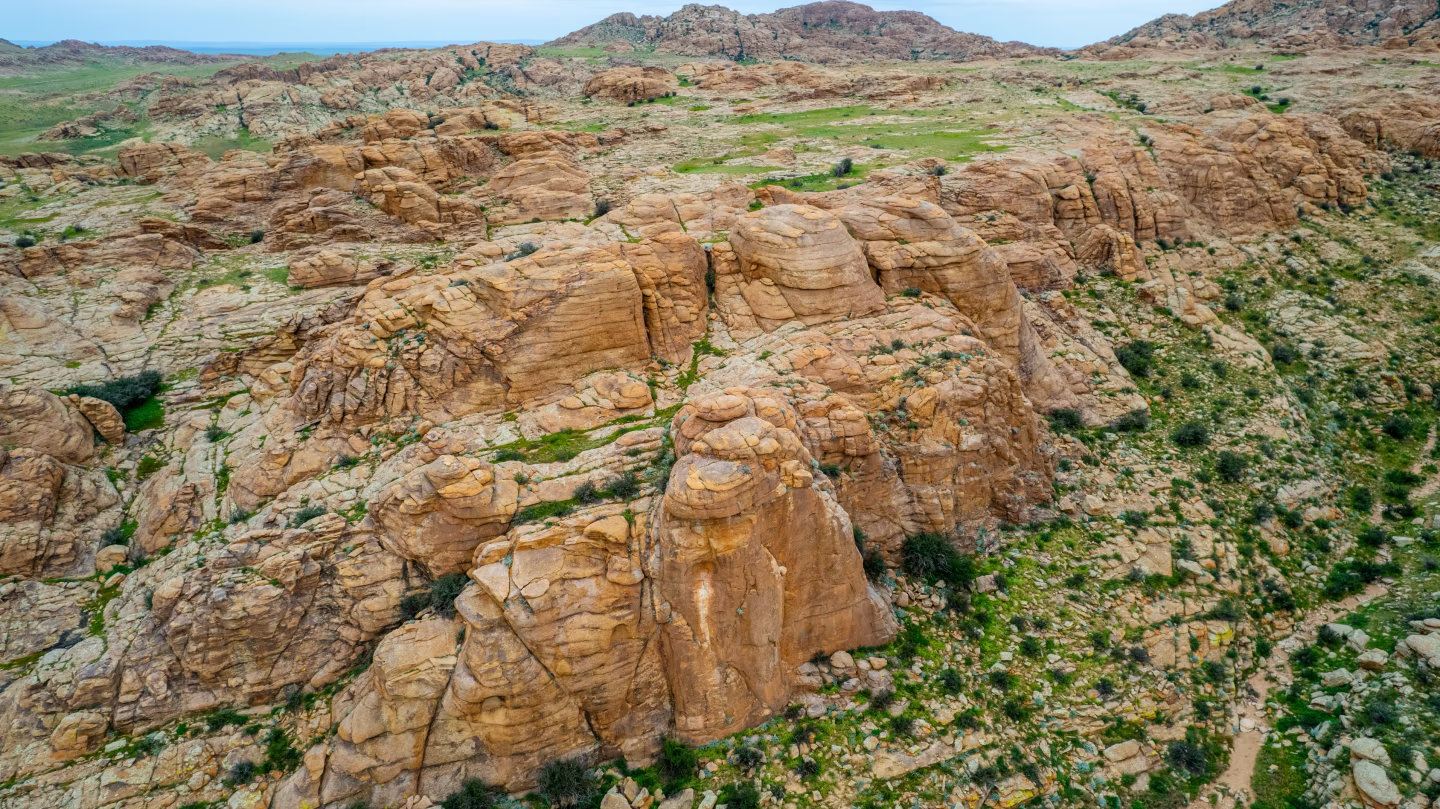
The day begins with a drive to Khavtsgait Valley, located in the western part of Gobi Gurvansaikhan National Park. This area is renowned for its ancient rock drawings, created during the late Bronze and early Iron Ages. A gentle walk of about one kilometer leads across open ground to the rock faces, where images of animals and human life are carved directly into the stone. Standing here, the landscape feels unchanged, and the drawings seem naturally connected to the surrounding land.
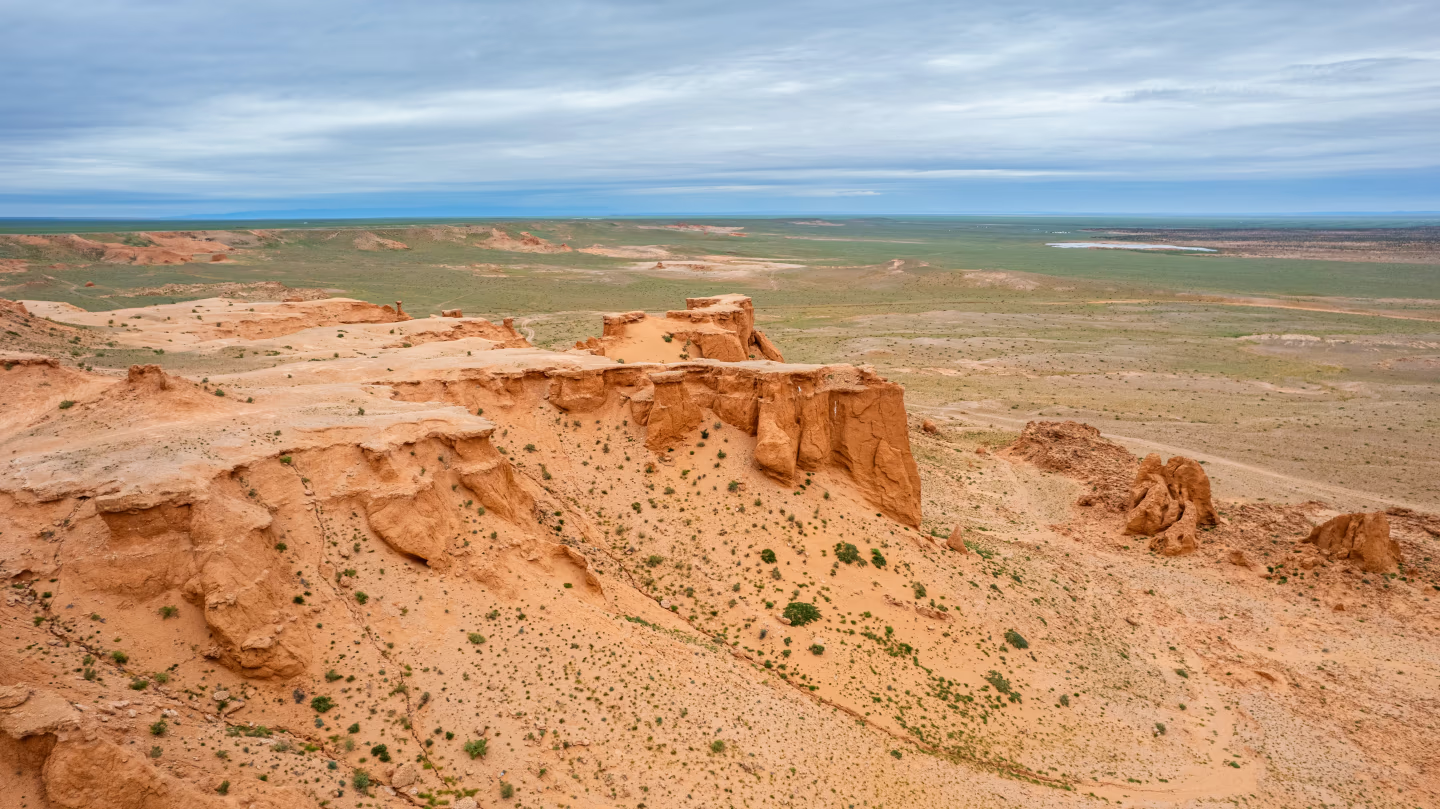
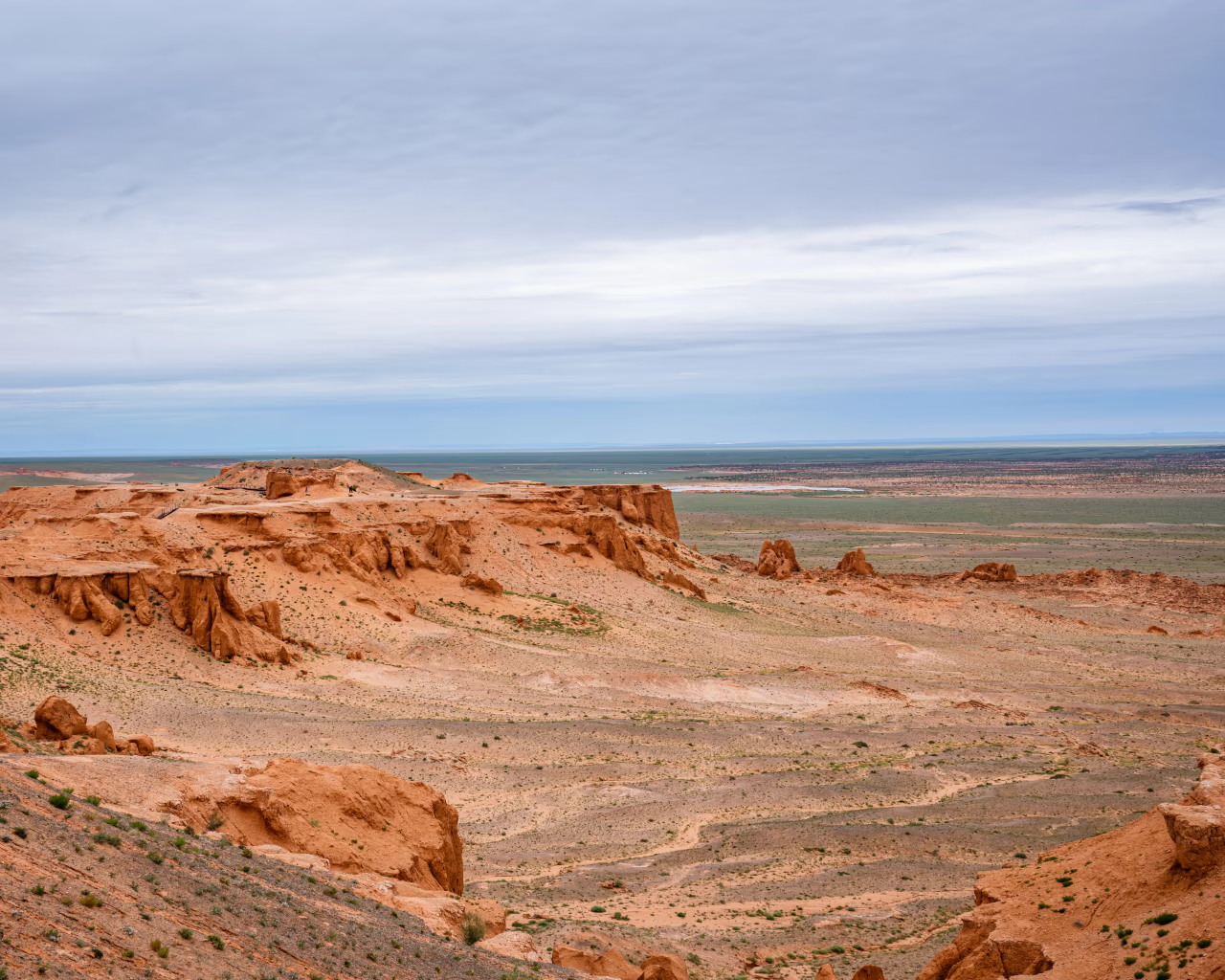
Later, the route continues to the Bayanzag Flaming Cliffs, a low ridge of red and orange sandstone formations rising from the desert. This site became famous after dinosaur fossils were discovered here in the 1920s by the American explorer Roy Chapman Andrews, including the first known dinosaur eggs. After some rest at the ger camp in the late afternoon, you return to the cliffs for a gentle walk along the edges and between the formations, allowing time to explore and observe the layers of rock as the light changes. As the sun sets, the cliffs glow in deep reds and soft golds, creating a quiet and memorable end to the day.
Highlights of the Day:
- Visit the Khavtsgait rock drawings, which offer valuable insight into ancient life in the Gobi Desert.
- Explore the Flaming Cliffs, renowned for their dinosaur fossils and vibrant evening colors
Travel Details: Expected travel distance ~150 km / ~4–5 hours; Walking distance ~1 km; Overnight in a modern ger camp (B / L / D)
Day 6: Across the Open Steppe to Ongi Monastery
The day begins with a visit to the Bayanzag tree grove, a rare sight in the desert. These trees grow only in the arid landscapes of Central Asia, surviving where few other plants can survive. Standing among them offers a brief pause before the journey continues westward.
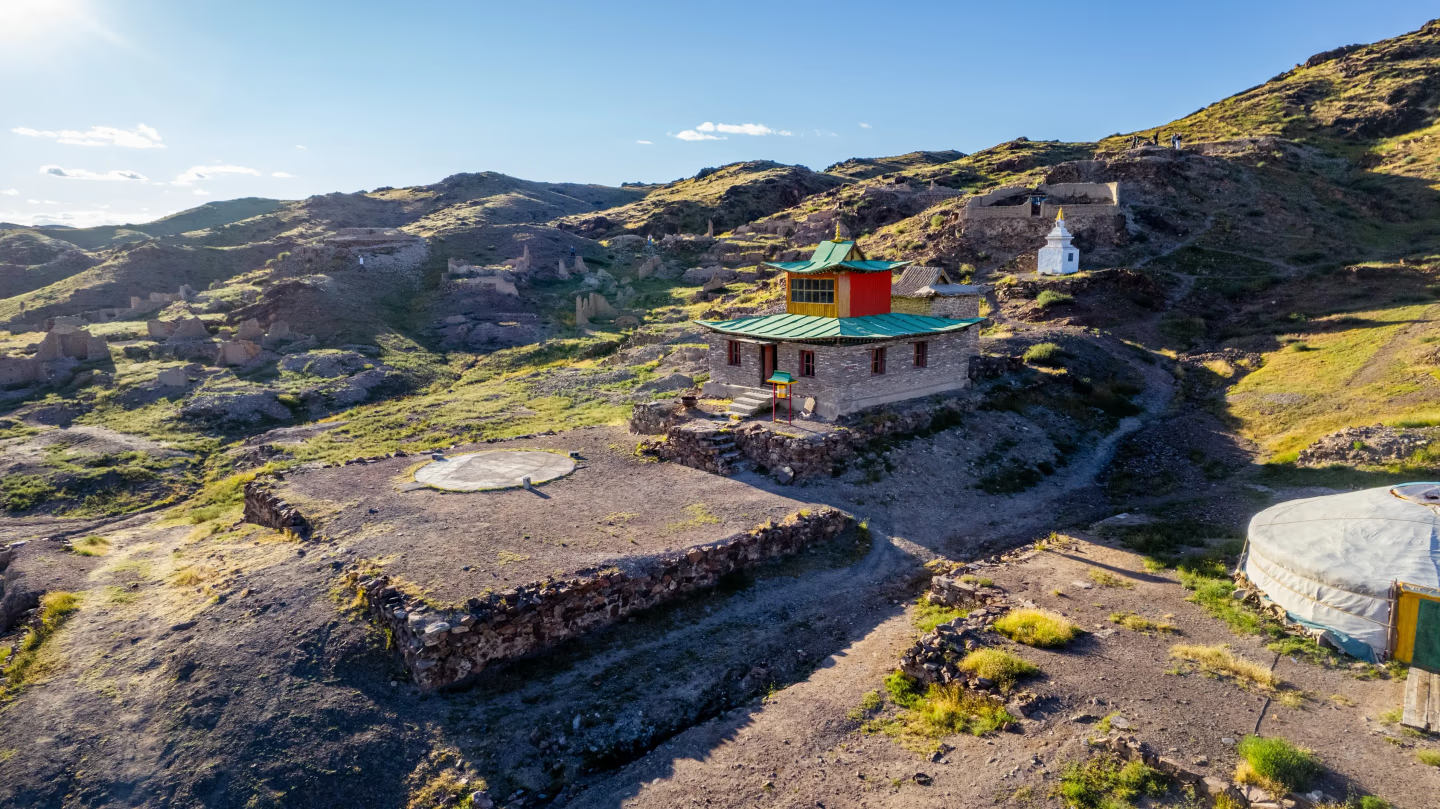
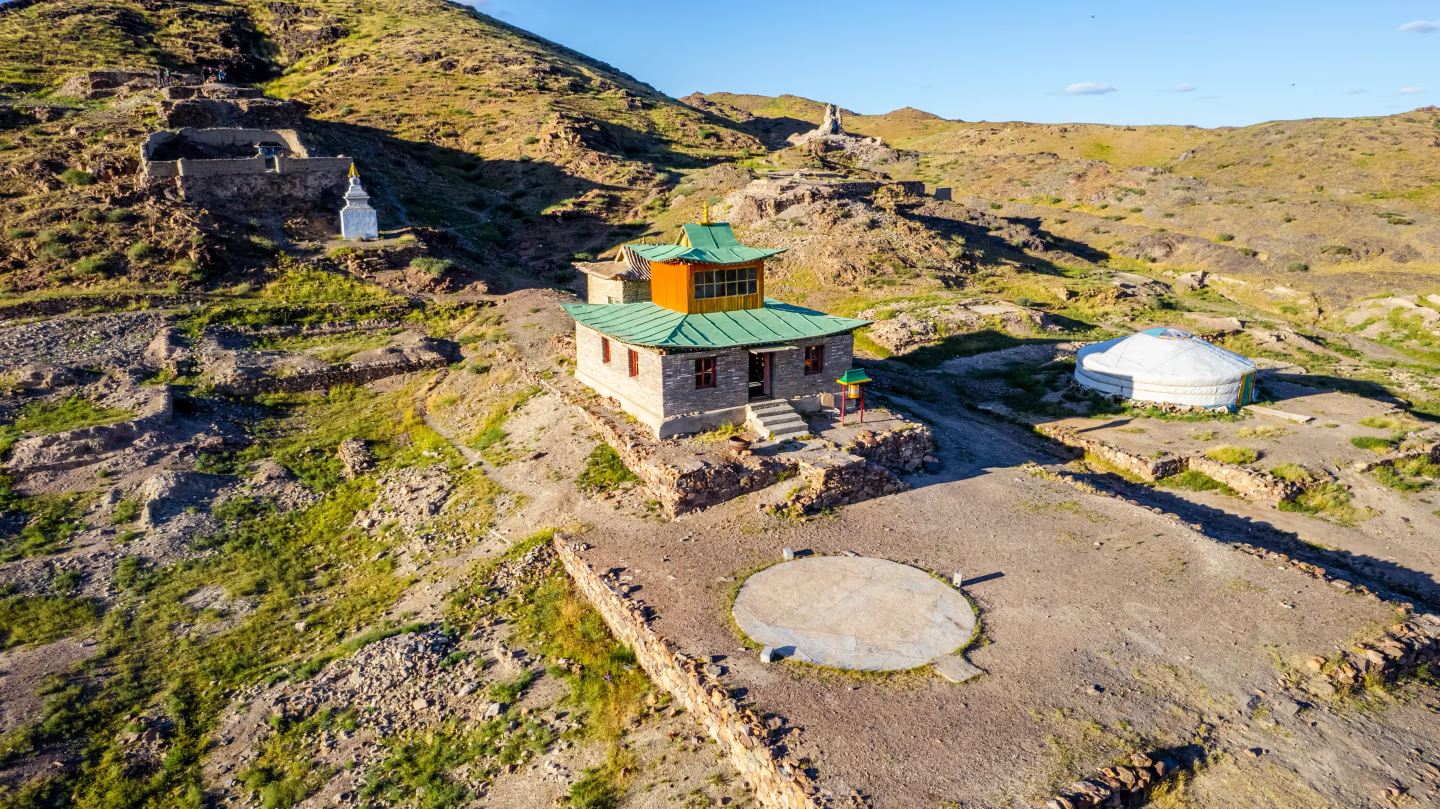
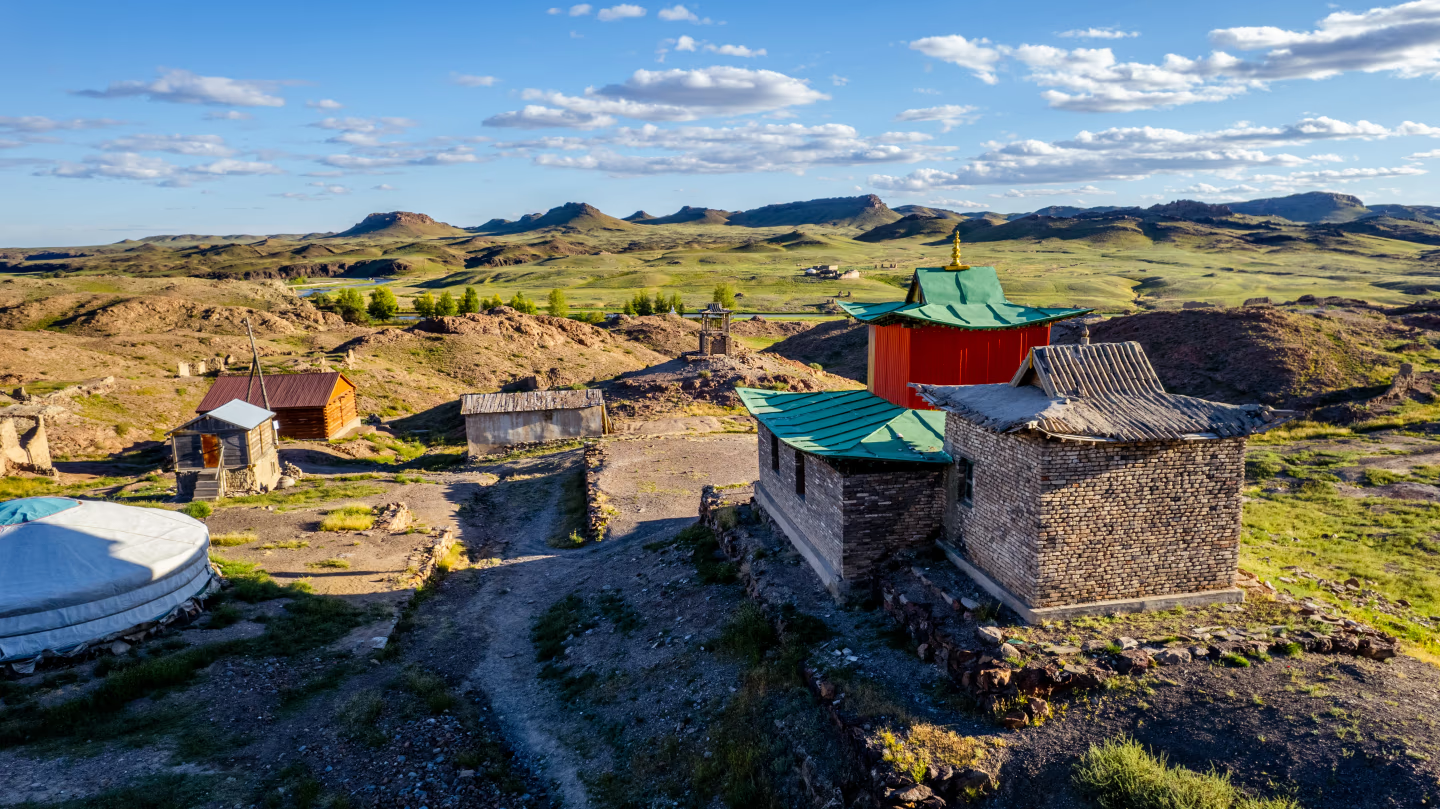
From here, the drive crosses slate mountains and then opens onto the vast Ongi Steppe, a long stretch of open land leading toward the Ongi River. After many kilometers of open space, the ruins of Ongi Monastery come into view. Once one of the largest monastic complexes in Mongolia, it consisted of two separate monasteries with more than thirty temples spread along both sides of the river. During the purges of the 1930s, the complex was destroyed, leaving behind scattered ruins that now lie quietly across a broad area.
You explore the remains of the monasteries, gaining a sense of their former scale, and visit a newly restored temple along with a small ger museum that keep the site’s memory. A short climb to a nearby hill offers wide views of the river, the ruins, and the surrounding steppe, bringing perspective on the isolation and significance of this place. The day ends at a ger camp, with open land stretching out in every direction.
Highlights of the Day:
- Explore the haunting ruins of Ongi Monastery, a sacred site steeped in history and visit a restored temple where prayers are once again offered among the broken stones
- Cross the open Ongi Steppe and enjoy wide views over river, ruins, and surrounding hills
Travel Details: Expected travel distance ~300 km / ~6–7 hours; Overnight in a ger camp (B / L / D)
Day 7: Erdene Zuu Monastery and the Ancient Heart of Kharkhorin in the Orkhon Valley
The drive today moves out of the Gobi Desert and into the gentler landscapes of central Mongolia, where open steppe gradually meets low mountains and river valleys. This journey marks a clear change in scenery, with more water, grass, and signs of settled life appearing along the way. The route leads into the wide Orkhon Valley, one of the most historically significant regions in the country.
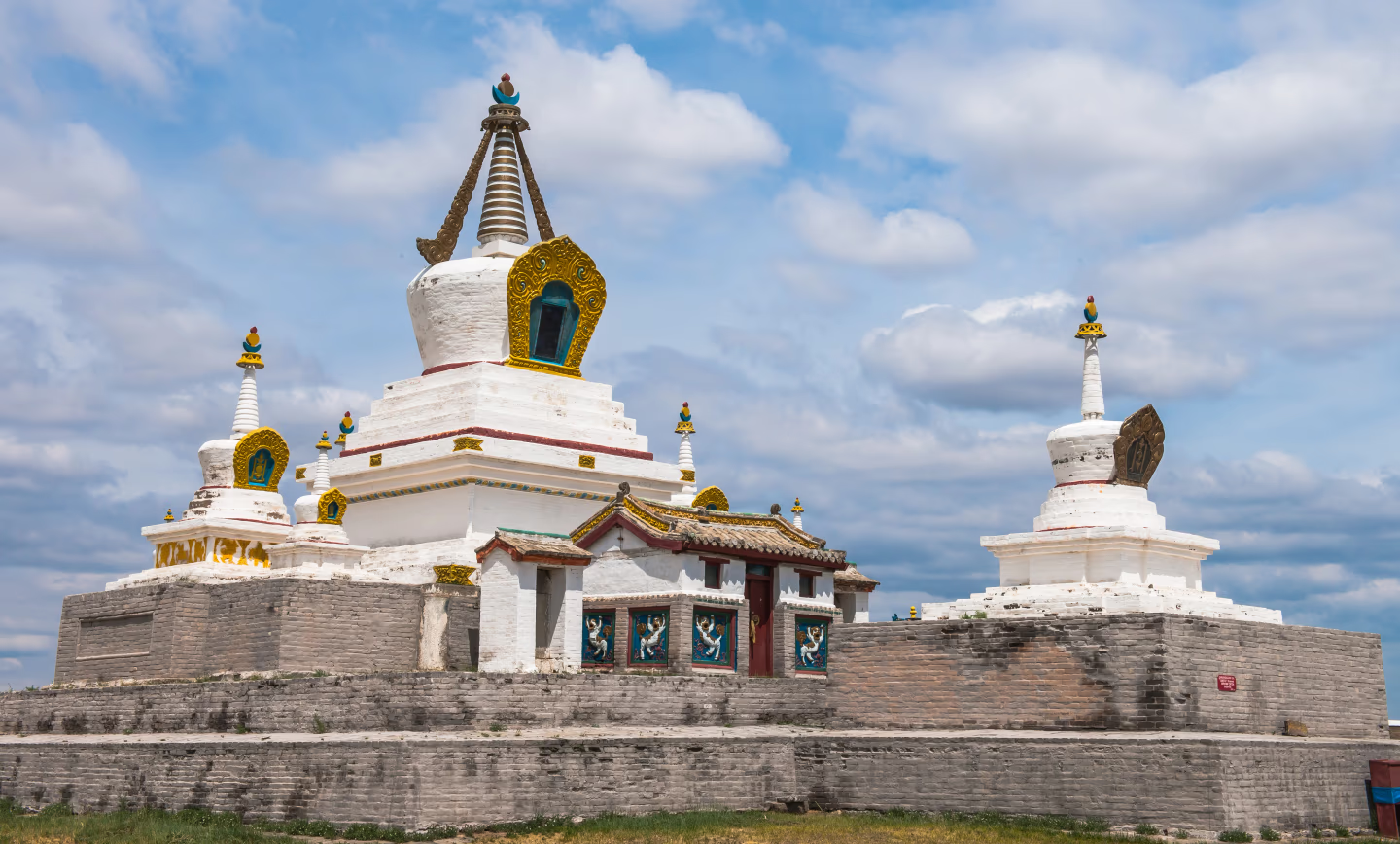
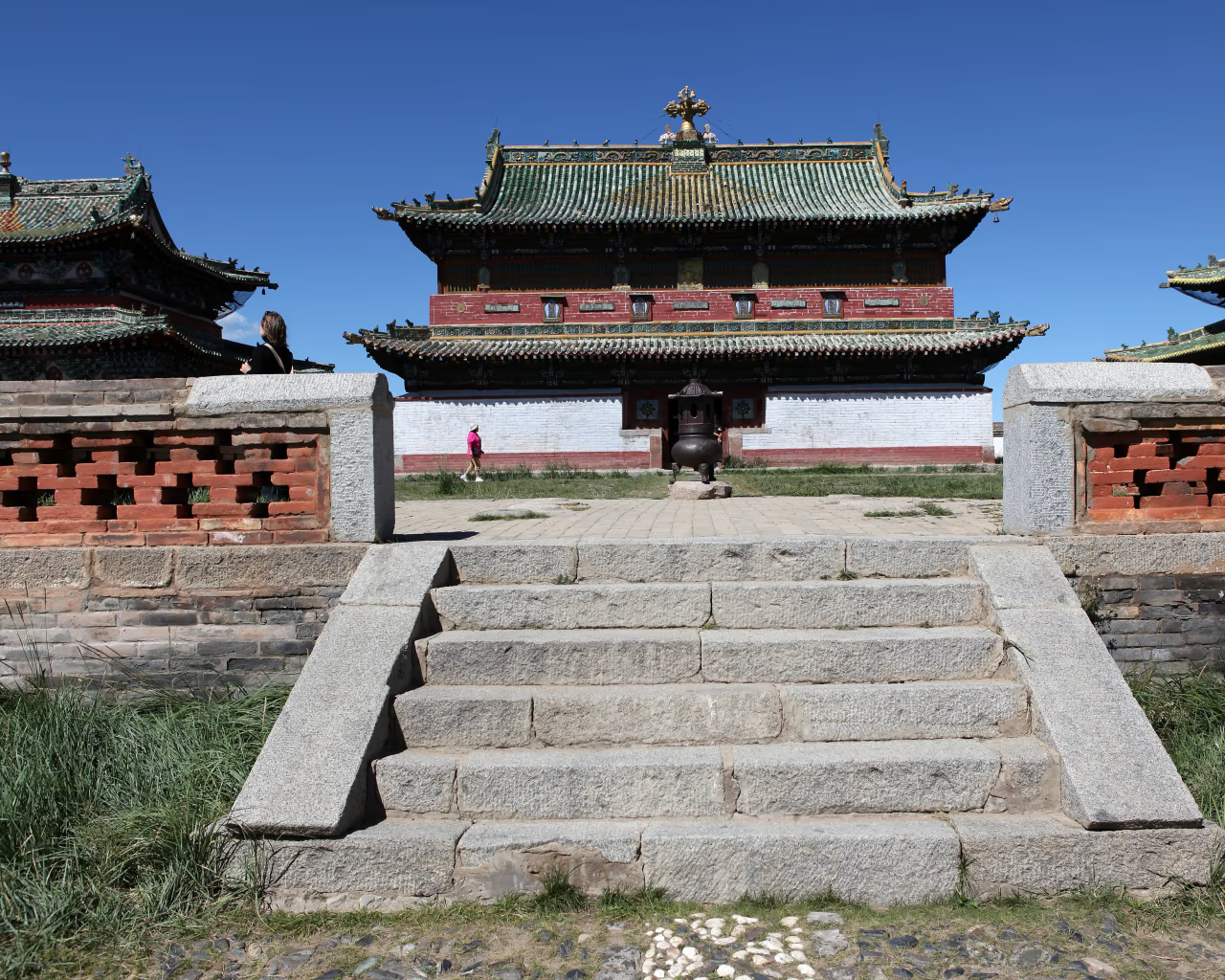
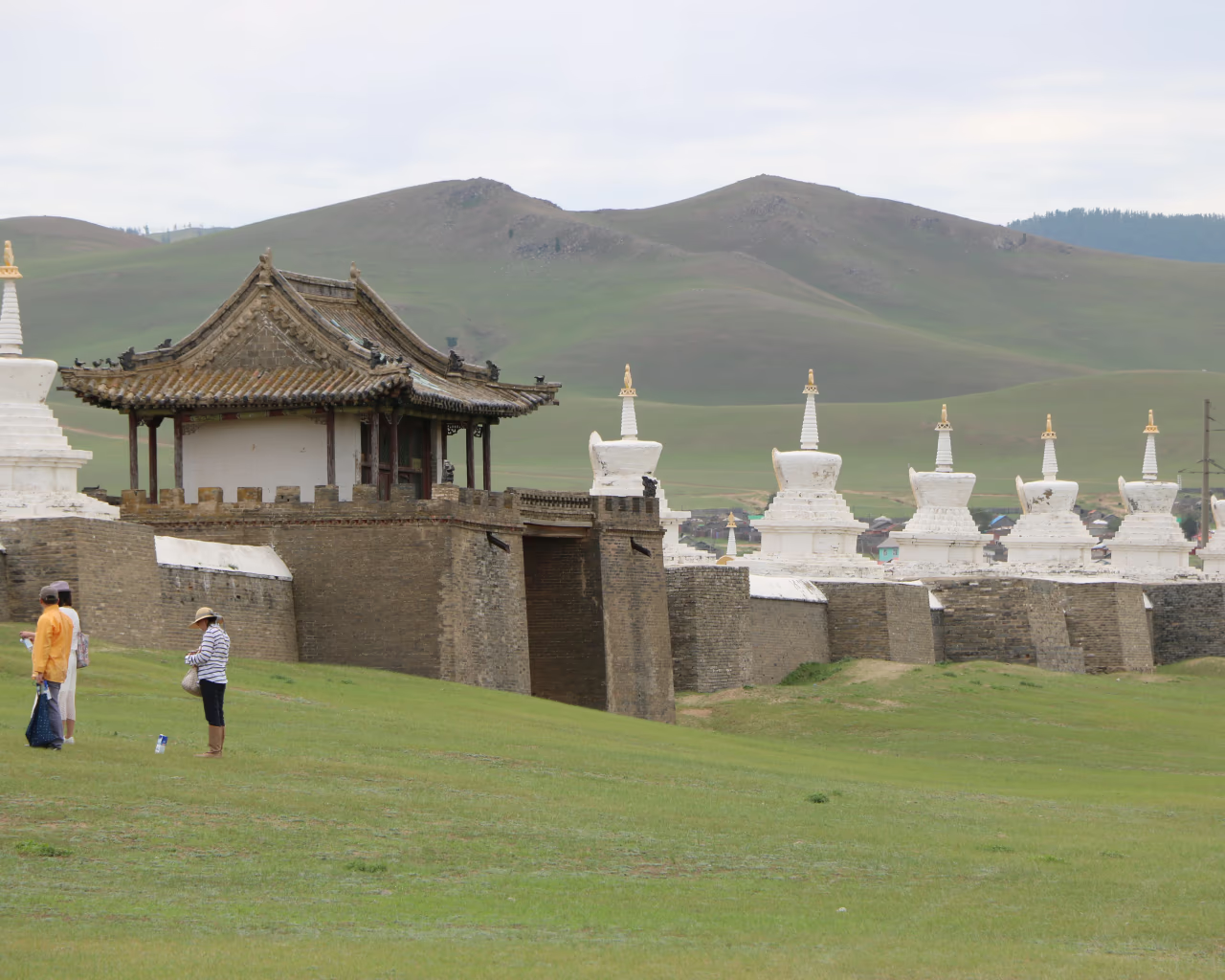
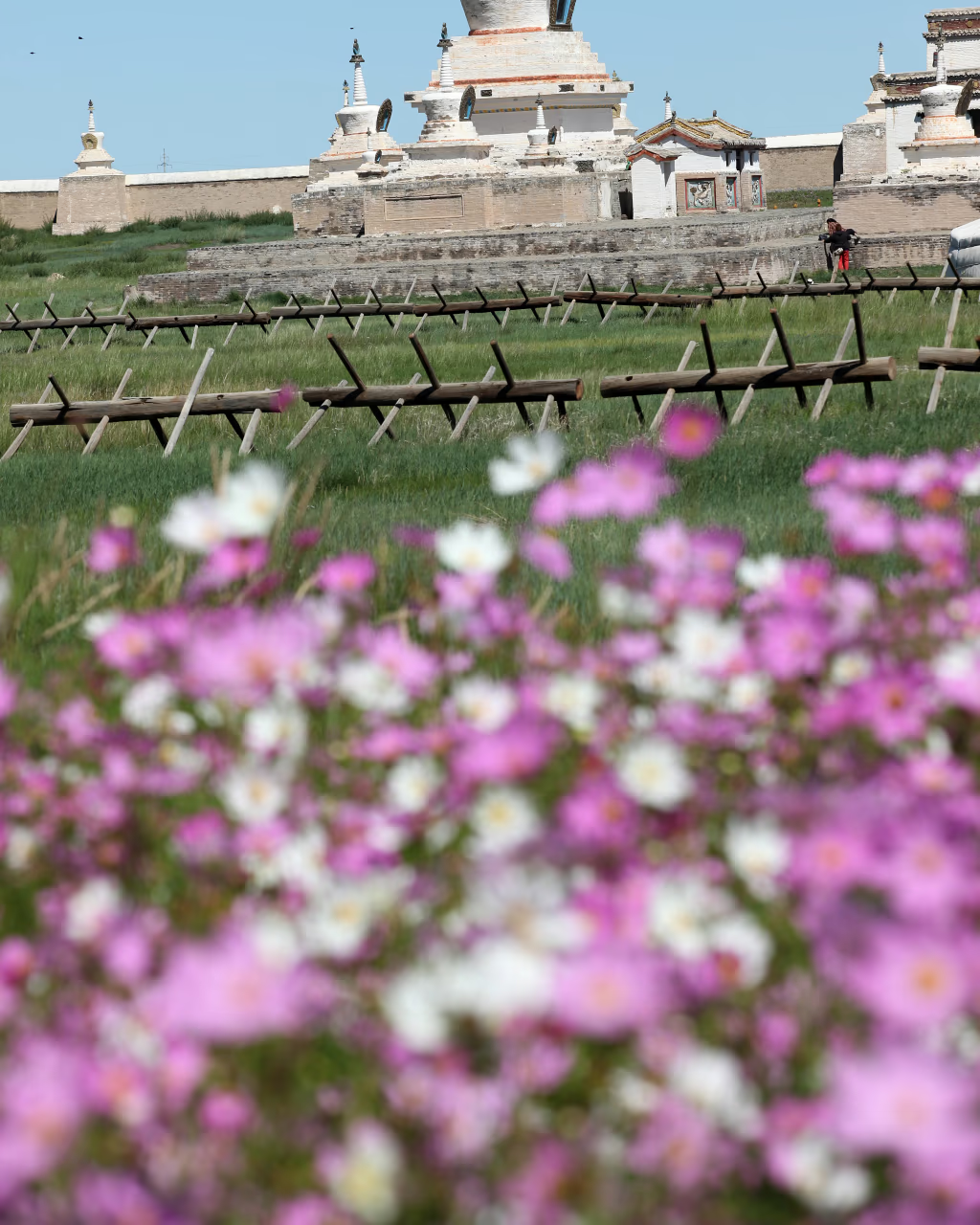
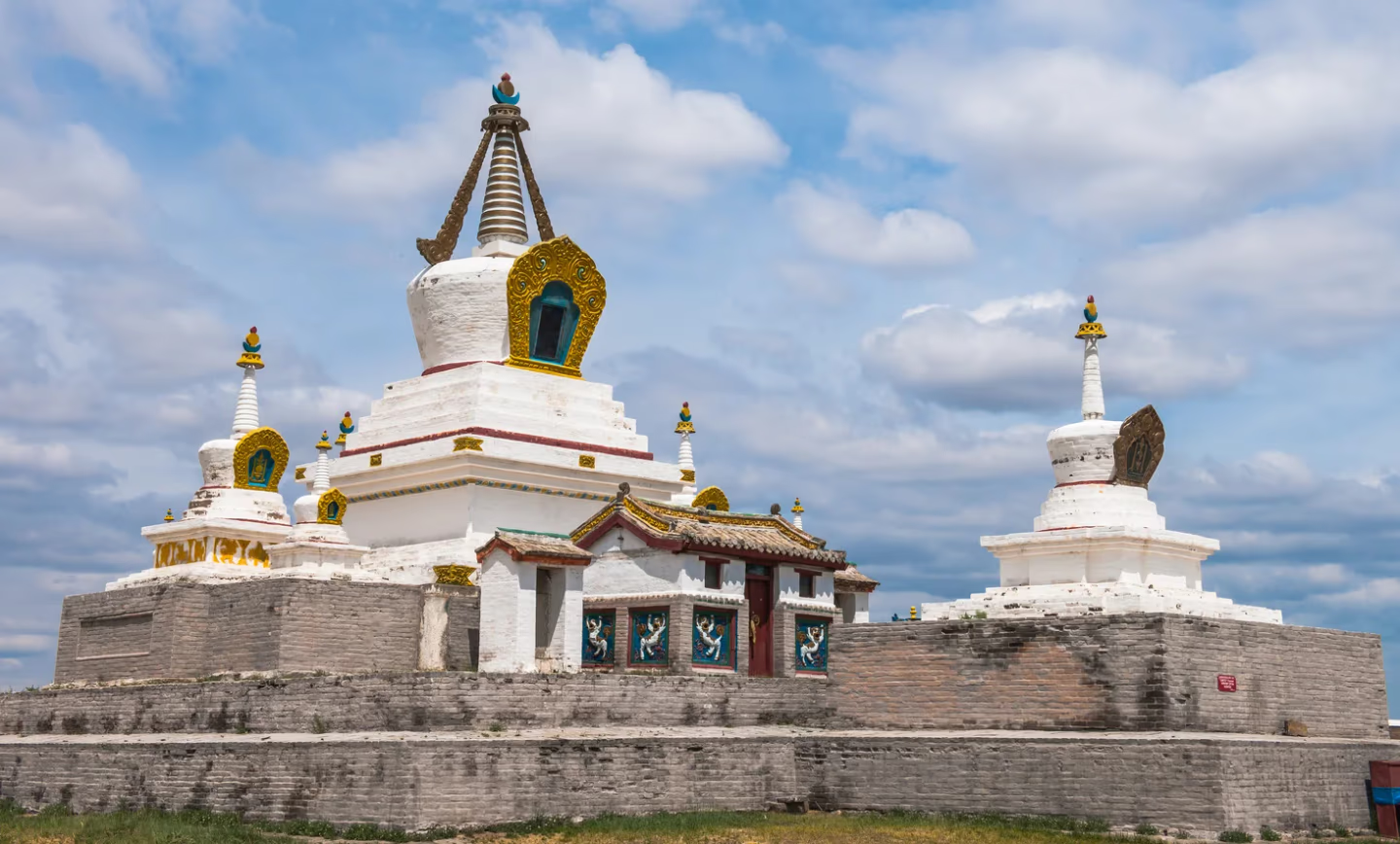
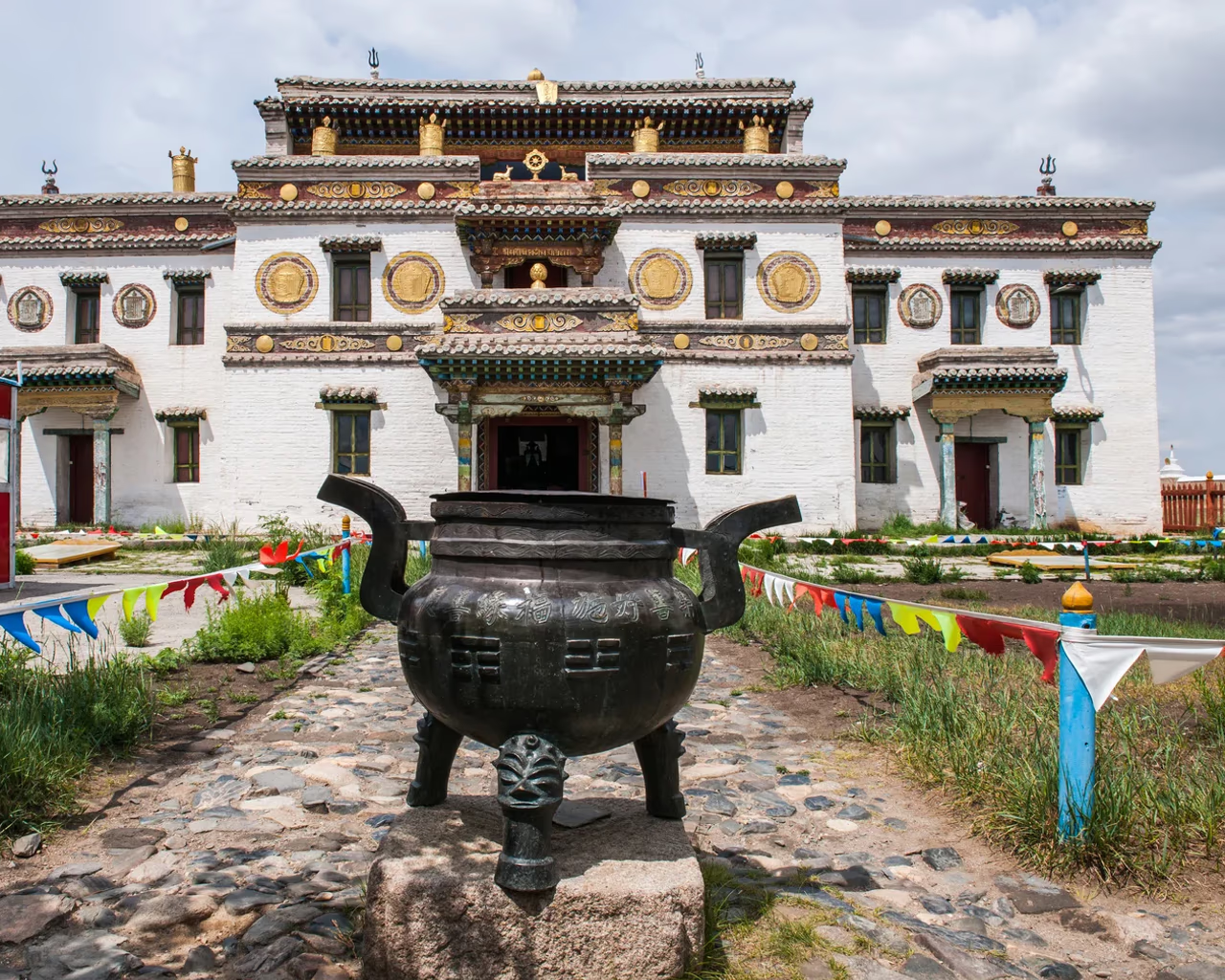
Kharkhorin, once known as Karakorum, was the capital of the Mongol Empire in the 13th century. Although the original city was destroyed centuries ago, its legacy remains evident in the landscape. At the heart of the valley stands Erdene Zuu Monastery, Mongolia’s oldest Buddhist monastery, surrounded by stone walls and white stupas. You spend time walking through the monastery grounds, visiting its temples and museum, and observing the contrast between religious life and the open land around it. A visit to the Kharkhorin Museum adds context to the former imperial capital and its role in Mongolian history. The day ends at a ger camp, nestled within the wide and peaceful valley.
Highlights of the Day:
- Visit Erdene Zuu Monastery, the oldest Buddhist monastery in Mongolia.
- Explore Kharkhorin and its museum, situated on the site of the former Mongol capital.
Travel Details: : Expected travel distance ~250 km / ~5–6 hours; Overnight in a ger camp (B / L / D)
Day 8: Nomadic Life, Horse Riding, and Return to Ulaanbaatar
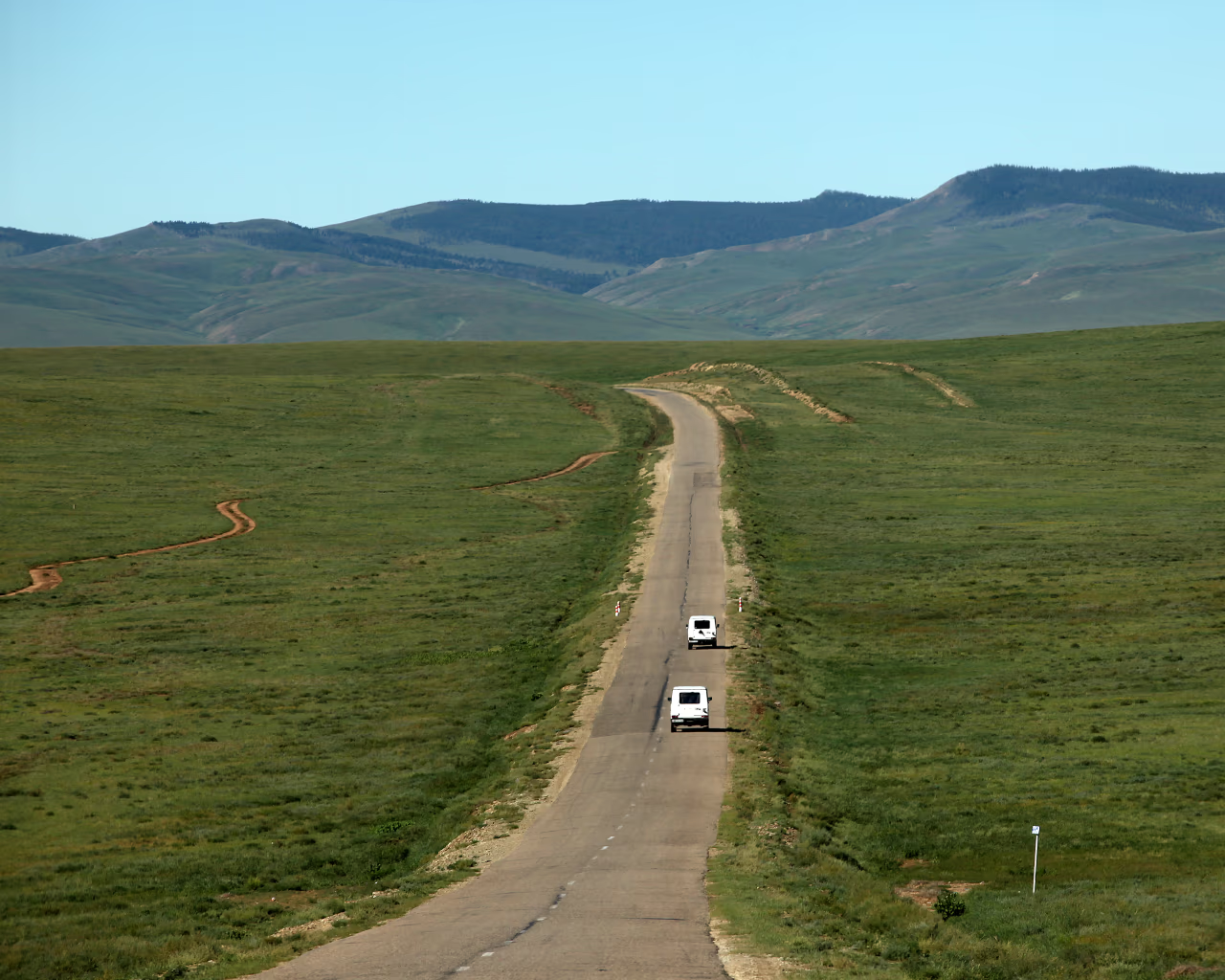
The final day is spent in the open countryside of central Mongolia, where wide steppe and distant hills create a calm tone before returning to the city. Leaving the Orkhon Valley behind, the road leads north toward Ulaanbaatar, passing through landscapes that feel familiar after days spent in the land.
Along the way, you visit a horse-herding nomadic family, where daily life continues at a steady, unhurried pace. Time is spent riding horses across the open steppe, following gentle paths through the grassland and experiencing the land in the way it has been traveled for generations. A traditional nomadic lunch is shared, offering a simple and fitting farewell to the countryside.
In the afternoon, the journey continues back to Ulaanbaatar, where the wide spaces gradually give way to the city, marking the end of the journey across Mongolia. Free time in the afternoon.
Highlights of the Day:
- Visit a nomadic family and experience daily life on the steppe.
- Horseback riding across open grasslands before returning to Ulaanbaatar.
Travel Details: Expected travel distance ~380 km / ~6–7 hours; Return to Ulaanbaatar. End of tour (B / L/-)
Day 9: Departure Day: Until the Steppe Calls Again
In the morning, you will be transferred to the airport or train station for your departure. As the aircraft rises and the city fades beneath you, take a moment to gaze at the horizon once more. Mongolia will not say goodbye. It will simply wait—vast, patient, eternal—for the moment you return.
Travel Details: Transfer to airport or railway station; (B/-/-)
Included in The Price
- Accommodation for 2 nights in 3* hotel in Ulaanbaatar based on shared twin/double or single hotel room, including breakfast;
- Accommodation for 6 nights at modern ger camp (shared facilities) with breakfast included
- Transportation as per program
- Transfers upon arrival and departure
- Sightseeing as per itinerary
- Horse & camel riding
- Entry fees to national parks and museums
- English-speaking guide interpreter services
- Meals according to the itinerary (B-breakfast, L-Lunch, D-Dinner)
- Daily bottled water
Not Included in The Price
- International flight tickets
- Personal travel insurance
- Visa fees
- Hotel extras (telephone, mini bar, etc.)
- Meals and drinks not included in the program
- Tips for local guide, driver & restaurants
- Photo/video fees at historical parks and in museums
- Personal expenses
- All other charges and services not mentioned under Price includes
Request Trip Notes
We’ll send you all the details so you can continue tour planning offline
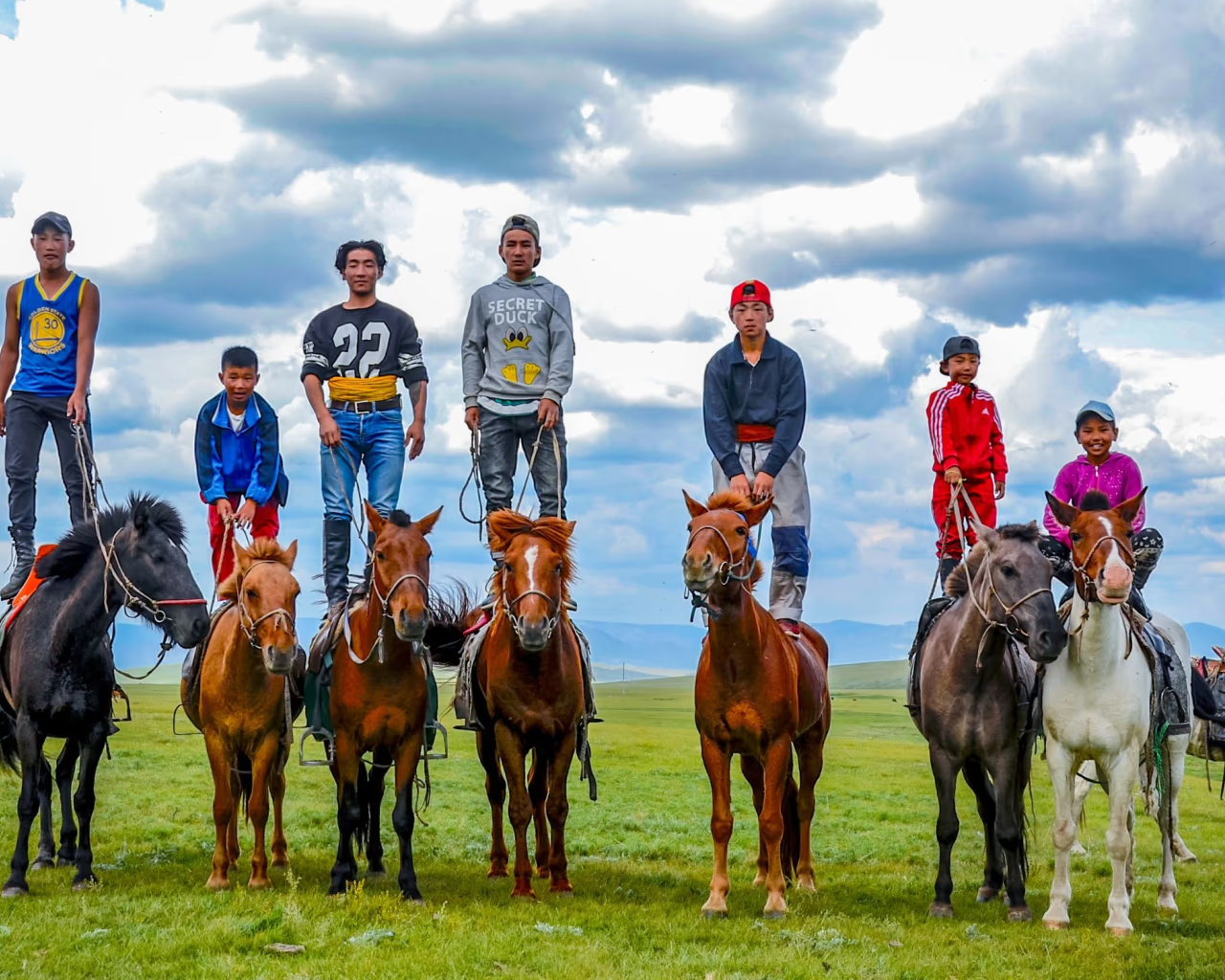
Image Gallery








Contact Us
We’re here to help you plan your adventure!
Phone
You might also be interested in